Hornet work is not about bravado, it is about planning and control. The insects we call hornets include several species that behave differently, build different nests, and react to disturbance with varying intensity. European hornets can nest in hollow trees and wall voids, bald-faced hornets create large paper ovals in trees or under eaves, and some large wasps get misidentified as hornets entirely. When a call comes in for a hornet exterminator, the first task is to determine exactly what we are dealing with, because the plan, the protective equipment, and the risk to people nearby all hinge on proper identification.
I have removed hundreds of nests from residential yards, commercial courtyards, and industrial sites where night shifts could not risk a sting incident. Aggressive colonies punish mistakes. They launch fast, lock on to movement, and they will pursue. The goal for a professional exterminator is to neutralize the threat with minimal exposure for the crew and the client, protect non-target species like bees, and avoid unnecessary damage to structures. That is the standard that separates a licensed exterminator with the right training and gear from a do-it-yourself attempt that often ends with swollen eyes and a panic call to a local exterminator anyway.
Reading the Situation Before You Suit Up
An aggressive nest does not always broadcast its presence. Watch the flight pattern before you walk in. Hornets, especially bald-faced hornets, tend to use predictable approach lanes. They sweep in on a gentle arc, then shoot straight toward the nest. Track those lanes from a distance. If you see multiple approach routes from different heights, plan on a larger colony with several hundred workers and a high likelihood of a strong defensive surge once disturbed.
Time of day matters. At dusk and through the night more workers are inside the nest. That makes nighttime treatment efficient because you hit the largest percentage of the colony at once. It also means your flashlight becomes a target. I use a red-filtered headlamp or shielded angle light so I can see what I am doing without creating a bright beacon that draws agitated hornets to my face shield.
Aggression level varies by temperature, wind, and vibration. A nest in a still, humid evening tends to defend more intensely than one in a breezy, cool morning. Lawnmowers, weed trimmers, and hammering can trigger preemptive defensive behavior hours after the noise. If a client mentions recent yard work or construction, plan for a hair-trigger response and add distance to your application method.
Identification Drives the Strategy
I get called a hornet exterminator for everything from paper wasps to yellowjackets, and the wrong ID can lead to the wrong product and a longer, riskier job. A quick primer that helps on site:
- Bald-faced hornets build large, gray, football-shaped paper nests with a single bottom entrance. They defend aggressively and will pursue for 50 yards or more if properly riled. European hornets are true hornets, larger, reddish-brown and yellow. They nest in cavities, including tree hollows and wall voids, and fly at night. Their sting is serious, their defense strong, but they are less likely to swarm outdoors than bald-faced hornets. Many “hornet” complaints are yellowjackets. They build underground or in wall voids, and the treatment path is different because you are dealing with multiple entrance points and complex voids.
If there is any doubt, a brief exterminator inspection during daylight with binoculars from a safe distance helps. Photos from a client can mislead because scale is hard to judge in a phone image. I prefer to see entrance shape, paper texture, and location. If the nest is in a soffit, attic, or wall, I add moisture meter and infrared checks to map heat signatures before opening any voids. You do not want to rip into a wall without knowing where the combs sit and how far the envelope spreads.
Safety First, Not After the First Sting
No hornet job proceeds without full PPE. Heavy cotton or canvas suit, thick nitrile or leather overgloves, high-quality veil with a rigid screen, and duct tape at cuffs and ankles. I add a disposable Tyvek layer over the fabric suit on severe jobs so I can peel it off if it gets saturated with product or alarm pheromones. Tape the zipper pull. Tape the veil ring. I learned that after a small gap turned into a hornet slipping inside the veil. A sting to the temple will sharpen your focus on proper sealing.
Respiratory protection is non-negotiable. Depending on the product, a half-face respirator with organic vapor and P100 filters keeps you clear-headed. Night work can get stuffy inside a suit, so plan ventilation and hydration breaks. Crew safety roles matter. One person applies, one person spots from a distance with a clear view of approach lines and escape routes, and both know exactly where the vehicle is parked for a quick exit if the colony breaks containment.
Clients want to watch. I politely keep them inside, windows closed, pets secured. The neighbor who thinks this is a spectator sport is your unexpected liability. I knock the door, notify them, and put cones on sidewalks if the nest is near public space. When I say aggressive, I mean they can and will chase, and an unwarned passerby can get caught in a bad moment.
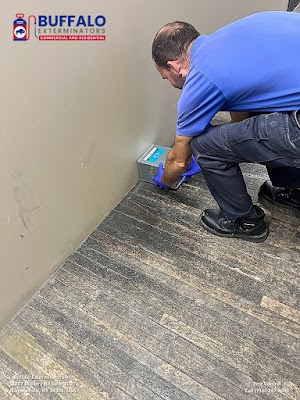
Tooling Up: Products and Delivery Systems That Work
Most successful hornet treatments rely on quick knockdown, penetration into the comb area, and residue that continues to work as returning workers contact the treated surfaces. The specific labels and active ingredients vary by region and regulation, but categories are consistent.
For aerial paper nests, a foaming insecticide with a strong propellant and about 10 to 15 feet of reach provides coverage that seals the entrance, traps exiting workers, and wets the paper envelope so the active can permeate. A dry dust, when used with a duster that delivers a fine bloom, is excellent for void nests in walls or trees. Dust travels along comb surfaces and remains active longer, which is critical when you cannot see all chambers. For high or awkward positions, an extension pole adapter for cans or a backpack sprayer with a micro-mist tip allows placement without a ladder dance under an angry nest.
Redundancy keeps you safe. I bracket a job with two different delivery methods so if the wind shifts or the can fails, I have backup. I also bring a bee vacuum with variable suction. When a nest sits in a public area and removal must happen without leaving any agitated stragglers, a gentle vacuum can reduce loose defenders after the main application. You cannot vacuum your way out of an active hornet nest alone, but as a clean-up step it adds control.
A note on generalist pest gear: a bug exterminator who spends most of the week on cockroach exterminator or ant exterminator routes cannot simply grab a wasp can and treat a large hornet nest with the same mindset. Hornet jobs require a distinct playbook, training, and gear. If you are buying exterminator services, ask the exterminator company about their hornet protocols, not just their general exterminator pest control experience.
The Two Paths: Eliminate or Relocate
Clients sometimes ask if a humane exterminator or eco friendly exterminator can relocate a hornet nest. With true hornets and bald-faced hornets, relocation is rarely practical or safe in urban and suburban settings. The nest structure is fragile, the colony is defensive, and the risk to the handler and the receiving site is significant. Bee exterminator calls sometimes involve honey bee trusted exterminator Niagara Falls, NY swarms or hives, which are a different matter entirely and often can be rescued by a beekeeper. Hornets are not bees, and attempts to treat them as such end poorly.
The green exterminator or organic exterminator question still matters, though. In many cases we can reduce the amount of product needed through precise placement and timing. A dust inside a void uses less active ingredient than repeated surface sprays. A direct foam into the nest entrance after dark requires fewer follow-up visits than daytime “drive-by” sprays that only hit outer paper. An eco-minded approach focuses on surgical treatment rather than broad application. For clients with sensitive landscapes or ponds that host pollinators, we map drift risks and adjust angles and pressures to keep residues off flowering plants.
Standard Night Treatment for Exposed Paper Nests
This is a job where routine keeps you safe. I will outline the core steps because they matter and because too many people skip one and pay for it.
- Confirm species, nest size, and approach lanes in late afternoon from a safe distance. Stage gear, check wind, brief the crew. Return at full dark with shielded lights. Park with an easy exit path, engine facing outward. Suit up fully, tape closures, test respirator seal. Assign one applicator and one spotter. Approach quietly, no shining directly on the nest. Take position within effective range of your foaming product. Apply a heavy initial band around the entrance, then saturate the outer paper steadily. Do not stop at the first rush of defenders. Maintain a controlled flow until the paper darkens and sags. Hold position for 60 to 120 seconds to catch late emergers. Step back and observe. If activity continues at the entrance after two minutes, deliver a second, shorter burst. Once airborne activity drops, use long-handled shears or a pole saw to detach the nest into a contractor bag if removal is required. Seal tightly. If removal is not required by code or client request, leave the treated nest for the night and return the next day to take it down cold.
Every step reduces variables. The biggest mistake I see from DIY attempts is a quick spray and retreat. That leaves a half-alive colony that rebuilds or relocates into a soffit where it becomes a harder problem for a residential exterminator later.
Voids, Wall Nests, and Structural Work
European hornets and yellowjackets inside a structure call for patience and mapping. Punching a hole without understanding the void routes leads to hornets inside a living room. I begin with inspection: look for staining on soffits from paper pulp, listen for chewing in quiet rooms, use an IR camera to find heat patterns consistent with comb clusters. I prefer to treat through the smallest possible access point. A pinhole through drywall into the void at the comb center allows dust placement that drifts and coats. If you miss high and dust pools in insulation, it does less work.
The rule is to avoid pushing hornets into living spaces. That means blocking interior vents with painter’s plastic and tape, setting sticky monitors inside as alarms, and briefing the client to avoid the area until we confirm quiet. After treatment, I do not immediately open the cavity. I wait a day or two, then verify activity is zero before beginning removal and repair. An exterminator technician with construction skills or a coordinated contractor can handle patching. For commercial exterminator jobs in offices or schools, schedule after hours exterminator work and cordon the surrounding hallways.
Weather, Height, and Odd Locations
I have removed nests from 40 feet up under a stadium roof, inside a traffic light control box, and behind a sign on a fourth-floor facade. Height changes the safety equation. Ladders and angry hornets do not mix. A lift with stable footing is far safer, even if the rental adds to exterminator cost. On windy evenings, foam can drift, and an upwind approach may not be possible without breaking line of sight. When conditions fight you, reschedule. A same day exterminator promise is not worth a hospital visit.
In rain, hornets hunker down, which can help, but wet paper sheds product. I carry both foam and dust so I can adapt. Trees with irregular hollows require a flexible probed duster. Sometimes a nest is too deep to treat thoroughly from the outside. In those cases, multiple treatments with dust, spaced by a day, give the best odds of full colony collapse without cutting the tree.
What We Tell the Client After the Nest Is Down
The job does not end when the bag is sealed. I walk the property and look for satellite nests. Hornets sometimes start secondary build-outs, often smaller and less obvious, particularly after earlier failed DIY attempts scatter workers. I advise clients to prune tree limbs near structures in late winter, seal gaps wider than a pencil around soffits and utilities, and avoid leaving sweet drinks or trash uncovered during peak season. Education reduces callbacks and builds trust.
On exterminator pricing, clients want a number. The range is wide because a waist-high nest on a backyard maple with easy access is a different job from a wall void in a home office where we must coordinate drywall repair. A local exterminator who actually looks at the site will give a better exterminator estimate than a phone quote based on guesswork. For a single exposed paper nest at reachable height, one time exterminator service often falls in a moderate range. Structural void work, nighttime lifts, or emergency exterminator response costs more. Cheap exterminator bids sometimes skip important safety steps or follow-up visits. I would rather explain fair pricing than apologize for a rushed, incomplete treatment.
Why Professional Matters on Aggressive Nests
I am not dismissing homeowner grit. People handle tough projects every day. Hornets punish the wrong move on a different timeline. An aggressive nest can send dozens of defenders at once. Multiple stings can trigger systemic reactions, even in people with no known allergy. A professional exterminator brings not only PPE and products, but judgment shaped by hundreds of encounters. That includes when not to treat, such as when a nest sits above a daycare playground at midday. Reschedule at night. Coordinate with the facility. Set a buffer zone. These choices matter.
For property managers, a commercial exterminator brings value beyond the immediate treatment. Documentation, site maps of nest locations, and an exterminator maintenance plan for seasonal inspections can prevent emergency calls. Schools, healthcare campuses, and food plants benefit from monthly exterminator service during peak months, not to spray indiscriminately, but to scout and neutralize early builds before they become a hazard.
Emergency Calls and After-Hours Work
I keep a 24 hour exterminator line during peak season because hornets do not respect business hours. A worker can put a ladder into a shrub at 8 pm and find a nest the hard way. After hours exterminator response is a different pace. You arrive with limited light, neighbors asleep, and a client in a panic. The calm voice and the checklist keep the job safe. I set expectations immediately: we will stabilize the situation, reduce risk tonight, and if structural entry is needed it may happen the following day when we can do it cleanly.
Same day exterminator service has its place when a nest threatens a front door or a contractor crew. The trick is to avoid rushing into a high-risk scenario without the proper setup. If the wind is wrong or the nest is 30 feet up without a lift, it is better to temporarily restrict the area and return with the right gear than to gamble on speed.
Edge Cases You Only Learn on the Job
One memorable call involved a bald-faced hornet nest tucked inside a boxwood hedge in a hotel courtyard. The landscaping crew had trimmed around it for weeks without noticing. Guests walked within three feet daily. It stayed calm until a thunderstorm shook the hedge and the nest split. We found two active entrance points and a third partial chamber. The plan changed on the spot. We used dust from two angles to chase activity inward, then a targeted foam to lock the exits. An hour later, activity dropped to zero. Without the flexibility to switch products and the experience to read the nest’s structure by touch and sound, that job could have turned into a courtyard evacuation.
Another case, a European hornet nest in a hollow oak above a playground. We could not cut the tree. We treated with dust at sunset through a small natural fissure, returned two days later, and repeated. I watched with an IR camera and listened. The pitch of the colony changes as numbers decline, a subtle but useful sign. After the second treatment the hum faded to a faint buzz. We sealed the fissure with wire mesh and breathable sealant to prevent re-entry. The school reopened the area the next week with confidence.
Integrating Hornet Control into Broader Pest Programs
For property owners who already work with a pest exterminator near me for rodents or cockroaches, it helps to fold hornet protocols into the existing plan. Rodent exterminator work often includes exclusion sealing, which reduces void access for hornets too. Termite exterminator inspections can be timed to catch early spring wasp and hornet activity under eaves. A comprehensive exterminator pest removal approach saves money over time. You should not need separate vendors for every species unless you prefer specialty firms for bees or wildlife.
If you want to assess providers, ask pointed questions. Do they offer an exterminator consultation on site, not just a phone quote. Are they a certified exterminator with specific training on stinging insects. What is their plan for nests in structural voids. How do they protect pollinators. Do they provide a written exterminator treatment record and follow-up. A trusted exterminator will answer without hedging. Reliability matters when the nest you found at noon becomes Niagara Falls, NY exterminator a crowd of angry hornets at dusk.
Cost, Guarantees, and What “Guarantee” Actually Means
Exterminator cost headlines can mislead. A cheap exterminator ad might lure you in, but hornet work has real inputs, from PPE to lifts to insurance. A fair exterminator pricing model usually includes an initial inspection, the treatment itself, and one follow-up if activity persists within a defined period. Guarantees usually cover the treated nest, not any new nests that appear later in the season elsewhere on the property. Clarify this. A reliable exterminator states the scope plainly.
For homeowners on a budget looking for an affordable exterminator, ask about tiered options. If a nest is small and accessible, some companies offer a one time exterminator service at a lower rate. For properties with recurring issues, a monthly exterminator service during peak months might be cheaper than multiple emergency calls. If you are gathering bids, request an exterminator quote that details access challenges, products expected, and any structural repairs anticipated. Transparency now saves frustration later.
Prevention Beats Heroics
Preventive steps reduce the odds of aggressive nests forming in the worst places. Inspect soffits and fascia for gaps each spring. Replace damaged screens on attic vents. Store garbage in lidded containers and rinse beverage recycling. Keep shrubs trimmed back from structures so early nest starts are visible. For businesses, add exterior rounds to your exterminator for business service during the build-up months, especially around loading docks and dumpster areas where sugary residues attract scouts.
The best exterminator is often the one who never has to wear the suit because you let them find and remove a golf ball sized starter nest in April rather than a basketball in July. Starter nests are fragile, and removal is quick. Clients sometimes hesitate to call early because they assume a tiny nest is not worth a service visit. It is. That is how you avoid the aggressive nest later.
When Not to Treat
A rare but real case: a high, remote nest far from foot traffic, in a woodland corner with no work crews or children nearby. If it is 60 feet up and away from paths, I will often advise leaving it. Colonies die back with the cold, and hornets do not reuse old nests. This is where a humane and eco friendly mindset aligns with practical risk management. Target the nests that present danger. Leave the rest to cycle out naturally.
Finding the Right Help
If you are searching for an exterminator near me or pest exterminator near me because a nest surprised you this week, look for signals of competence. A licensed exterminator with insurance, clear treatment plans, and honest scheduling beats anyone who promises a miracle in 15 minutes. For homeowners, a home exterminator versed in stinging insects is worth the call. For campuses and facilities, a commercial exterminator with documented safety procedures and after-hours capacity is essential. If you need rapid help, many firms, mine included, maintain emergency exterminator coverage for high-risk nests discovered during events or construction.
A final field note. Aggressive hornet nests reward respect and punish shortcuts. The right strategy blends identification, timing, precise products, and disciplined safety. Whether you are inquiring for a single family home, a multi-building complex, or a seasonal venue that cannot afford disruptions, partner with an exterminator company that treats hornet work as a specialty, not an afterthought. The difference shows up in calm crews, quiet nights, and the absence of angry wings where people live and work.