Walk into any hardware store and you’ll see the same aisle every season: shelves stacked with aerosol cans, baits, foggers, and powders promising to wipe out whatever crawls, flies, or gnaws. I spent years as a professional exterminator working with those tools, and I still keep a few in my truck. They have their place. But the most reliable long-term results I’ve delivered didn’t come from a spray can. They came from changing the environment that pests depend on, choosing lower-risk products when necessary, and following a consistent, smart plan. That blend is what people mean by a green exterminator program, and when done right, it outperforms quick-spray approaches while protecting families, pets, employees, and the land we share.
Organic pest control isn’t about being gentle on pests. It’s about being precise about what they need to survive, then removing those supports with the smallest tool that gets the job done. If you’ve searched for an exterminator near me or a pest exterminator near me and felt overwhelmed by choices, here’s how to spot a trusted exterminator who uses green principles well, and why that matters whether you’re in a studio apartment or running a multi-building campus.
What “organic” and “green” really mean in pest control
These terms get tossed around, often without definitions. In the field, organic exterminator or green exterminator usually signals an integrated approach that prioritizes prevention, non-chemical controls, and reduced-risk products. Many programs are built on Integrated Pest Management, sometimes called IPM, and when you hire a licensed exterminator or certified exterminator with IPM training, you’re hiring someone who will look hard at sources and routes rather than spraying first and hoping for the best.
Organic, when used strictly, references substances derived from natural sources, such as essential oil-based insecticides, diatomaceous earth, silica dusts, microbial larvicides, and certain botanical extracts. Green can be broader. It includes mechanical methods like trapping, exclusion, sanitation improvements, habitat modification, and low-toxicity baits. The goal is both efficacy and lower risk to people, pets, pollinators, and the environment.
Not every pest and every site can be handled with organic-only tools. Bed bugs in an infested, cluttered apartment, heavy German cockroach populations in a commercial kitchen, or active subterranean termites may require a targeted conventional product. But in a well-run program, those moments are the exception, not the rule, and they’re executed with surgical precision by a professional exterminator who documents the reasoning, the product, and the expected outcome.
How green exterminator programs actually work on the ground
Forget the image of a tech blasting baseboards and leaving in ten minutes. A reliable exterminator using a green approach spends more time diagnosing than spraying. I’ve crawled into crawlspaces with a headlamp and a moisture meter, traced carpenter ant trails behind foam insulation, and found the mouse entry that everyone else missed in a gap above a utility line. The work is about finding the why.
A typical sequence starts with an exterminator inspection. For homes, that means exterior and interior scans for conducive conditions: gaps at the sill plate, vegetation touching siding, clogged gutters, standing water under a deck, bird feeders near entry doors, unsealed weep holes, open soffit vents, poorly stored pet food, or leaking dishwasher lines. In commercial sites, add dumpster management, loading dock seals, product rotation, and mechanical rooms with gaps around pipes that might as well have a welcome sign for rodents.
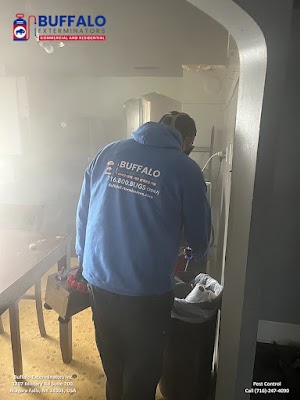
Once the map of risks is clear, an exterminator treatment plan becomes a tiered approach. First tier, fix what we can without chemicals: seal gaps with rodent-proof materials, adjust door sweeps, fix screens, remove harborages, declutter, vacuum live insects with a HEPA unit, set monitoring devices, and recommend sanitation steps that staff can maintain. Second tier, target with non-chemical or low-toxicity options, such as heat for bed bugs, sticky monitors for insects, snap traps inside stations for rats and mice, acetic acid or microbial agents for drain flies, insect growth regulators in cockroach harborages, or borate dust applied carefully into wall voids. Only after these options are evaluated do we consider a chemical with a conventional active ingredient, and then it’s placed where exposure is unlikely and only at the label’s minimal effective rate.
Enrollment in an exterminator maintenance plan ties this together. The best programs aren’t a one-time spray, they’re a cadence of visits aligned with pest biology and the building’s rhythms. Monthly exterminator service, or sometimes quarterly depending on risk, allows an exterminator technician to refresh monitors, check structural seals, reset traps, and catch early signs before they become an infestation. In high-pressure zones, such as restaurants near waterways or homes bordering greenbelts, more frequent checks during peak seasons can save a lot of repair costs.
What to expect from a green-minded technician
Experience shows in the questions. A technician who is serious about green exterminator solutions will ask about your schedule, your pets, allergies, and kids, but also about the building’s history. Where are the utility penetrations, when were renovations done, what materials were used, and who handles cleaning? They should carry basic tools: flashlight, moisture meter, camera, hand bellow for dusting, caulk gun, foam, copper mesh, traps, and an assortment of monitors. They should be comfortable explaining the behavior of the specific pest at hand. For instance, a rodent exterminator will talk about grease rub marks, runway footprints in dust, and why food-finding behavior changes after a cold snap. An ant exterminator should recognize species from body segments, color, and antenna shape, since a misidentification leads to the wrong bait and wasted time.
Clear records matter. A trusted exterminator documents products used, lot numbers, locations, exclusion work completed, and structural conditions that need follow-up. With commercial exterminator contracts, your service reports should help you pass inspections and audits. If the program is truly green, you’ll see more notes on monitoring and exclusion than on chemical application.
The right tool for the pest: examples from the field
I once took a call from a bakery owner who had tried a cheap exterminator service for months. They were spraying baseboards and putting down glue traps, yet the roach populations barely budged. On inspection, I found harborage in a hollow-leg table, hidden behind a break room fridge, and inside a gasket on a reach-in cooler. We used a vacuum to remove live roaches, applied a gel bait with a different active ingredient than the one the previous company had overused, added an insect growth regulator, and installed monitors inside cardboard shipping boxes that tended to sit too long. We also fixed a door sweep and trained the night crew to wipe down the mixer base. Two weeks later the counts dropped by more than 80 percent. Four weeks in, we were down to stragglers. No foggers, no broad insecticide sprays, just targeted work and a bit of discipline.
Rodent jobs have similar arcs. People ask for rat exterminator or mouse exterminator services assuming we’ll throw poison everywhere. A humane exterminator approach starts at the exterior, because that is where rodents come from. We find entry points the width of a thumb for mice and a quarter for rats, then seal them with steel wool, copper mesh, and mortar. If we must trap, we place snap traps inside lockable stations along established runs, check them frequently, and adjust based on hits. Rodenticide is a last-resort measure and, when used, placed where non-targets cannot access it and where secondary exposure is negligible. Residents appreciate not finding dead mice under couches, and the building remains safer for pets and owls.
Bed bugs might be the test most homeowners fear. A green approach blends heat, steam, encasements, and disciplined preparation. A bed bug exterminator trained in non-chemical tools can succeed, but only if the household participates. That means bagging washable items, running hot cycles, minimizing clutter, and allowing access to every furniture seam. We use steam on seams, HEPA vacuums to remove live stages, encasements to trap any remaining bugs in mattresses, and monitors to confirm success. In severe cases, a scheduled follow-up with a desiccant dust in wall voids adds insurance without coating living spaces with residues.
Even stinging insects can often be handled with targeted and respectful methods. A wasp exterminator or hornet exterminator removes the nest at night while insects are present, then treats the attachment point with a plant-based aerosol or fine silica dust to discourage rebuilding. Bee calls are different. If they are honey bees, a bee exterminator trained in relocation works with local beekeepers to remove and save the colony, ideally intact.
Mosquitoes call for community-minded plans: a mosquito exterminator will inspect for standing water, treat catch basins with a Bacillus thuringiensis israelensis larvicide, and recommend simple fixes like adjusting irrigation schedules. Homeowners who apply fan-based patio solutions often get relief for a few hours, but long-term control comes from eliminating breeding sites. That is green pest control in a nutshell, fix the life cycle rather than chase the adult stage.
Where organic products shine, and where they struggle
There are excellent botanically derived products. Desiccant dusts (diatomaceous earth, silica), borates, certain essential oil blends, and microbial agents do real work. Desiccants excel in dry, sheltered voids where insects must travel. Borates shine in wood protection against termites and decay. Microbials reduce fly larvae in drains without harsh fumes. In the hands of a professional exterminator, these tools deliver excellent results because they’re placed with context.
Limitations exist. Many essential-oil aerosols break down quickly in sunlight and have limited residual power. On porous surfaces or in cluttered environments, they work only if you can reach the pest. Termite colonies that have already reached a structure often demand more than an organic-only approach. In those situations, a termite exterminator might use a baiting system that minimizes active ingredient release but still relies on a conventional termiticide inside the bait matrix. The choice is still greener than flooding a trench with high-volume chemicals, but it acknowledges the biology of a subterranean colony.
This is the art: balancing ideals with outcomes, explaining the trade-offs, and documenting the path chosen.
Green economics: what the invoice really reflects
Exterminator pricing confuses buyers because they compare a low one-time spray quote against a multi-visit plan that includes exclusion work. Green programs can look more expensive up front, especially if you’re used to a cheap exterminator who does a five-minute perimeter spray. But budgets make more sense over the long horizon.
An exterminator cost estimate is built from labor time, travel, materials, and follow-up. The greener the program, the more of the budget goes to inspection, exclusion, and monitoring rather than chemical. For a residential exterminator job addressing mice, the difference is obvious. One service might charge a low fee to set a few traps inside and hope. A reliable exterminator will propose sealing exterior penetrations, installing door sweeps, setting interior and exterior stations, and scheduling a recheck to adjust traps and confirm no new activity. That is more upfront, but it keeps mice out rather than catching them forever.
Commercial contracts sharpen this calculus. A restaurant that opts for a monthly exterminator service built on monitoring, sanitation coaching, and focused baits will face fewer shutdowns and less product loss than one paying for sporadic emergency exterminator visits after the health inspector writes them up. The cheapest plan usually becomes the most expensive when you count spoilage, reputation hits, and fines.
If you’re pricing, ask for an exterminator estimate in writing, with service frequency, materials included, and clear pricing for add-ons like after hours exterminator visits. A professional exterminator won’t resist transparency and will explain how the plan adapts by season and pest pressure.
Residential and commercial realities differ
A home exterminator can leverage homeowner habits. Tight storage lids, consistent vacuuming behind appliances, repairing a door sweep, and reducing moisture with a bathroom fan solve most ant and roach incursions. A one time exterminator service can work if the homeowner follows through and the pest pressure is low. I’ve cleared spring ant invasions with nothing more than pruning back shrubs, sealing a hairline crack at a window track, and using a sugar-based bait placed in discreet stations on the ant trail.
A commercial exterminator faces turnover, shift changes, and multiple stakeholders. In a grocery store, the advice to rotate stock and keep a dry perimeter around bulk bins seems simple, yet it only holds if everyone knows why and has accountability. Monitors in receiving areas, sanitation checklists, and lockable stations under gondola shelving keep pressure low. Integrated programs survive because they are built into routine work, not left as a side project. When I consult, I ask who holds keys to stations and who signs off on the pest log. If it’s nobody, the program will drift.
Selecting a company you can trust
Credentials and culture both matter. Look for a licensed exterminator with insurance and state or provincial registration. Ask about additional certifications, such as QualityPro or GreenPro credentials, or training in food safety standards if you’re managing a commercial kitchen. More than labels, listen to how they plan. Do they push exterminator Niagara Falls a one-size-fits-all spray, or do they propose inspection, exclusion, and monitoring as foundations, with targeted treatments layered on top?

Availability might matter in a crisis. Same day exterminator visits help during a sudden wasp nest discovery near a daycare door, or a rat in a retail store on holiday weekend. A 24 hour exterminator line is useful when something dangerous appears, like a hornet nest in a high-traffic area. But for ordinary pressures, resist the urge to treat every call as an emergency. Most insect exterminator work improves with a measured response after a proper inspection.
If you value local knowledge, a local exterminator who has worked your neighborhoods will know the seasonal patterns. They’ll expect sugar ants in March on the south side of older homes, yellowjackets under bleachers in August, cluster flies in farmhouses as nights cool, and rats along river corridors each fall. That pattern recognition accelerates solutions.
When green meets edge cases
Occasionally, you face a scenario with no perfect option. A tenant with asthma, a preschool, a food processing plant, or a wildlife issue where legal protections apply. In those cases, a humane exterminator mindset and a rigorous process make the difference.
Wildlife calls deserve special care. A wildlife exterminator should prioritize humane removal and exclusion rather than lethal traps. Bats in an attic, for example, call for timing the work outside of maternity season, installing one-way doors, and sealing every gap larger than a dime. Raccoons require sturdier repairs, and skunks demand patience and careful trap placement to avoid sprays. None of this is solved by a sprayer.
German cockroach infestations in dense housing create another test. The greenest approach that still works usually combines gel baits, insect growth regulators, HEPA vacuuming, crack-and-crevice dusting in wall voids, and unit-to-unit coordination to avoid rebound. If a landlord asks for a blanket fogger, you risk pushing roaches into neighboring units and failing to address harborages. Education, coordination, and follow-up win.
What you can do between visits
The best green exterminator programs succeed because the building owner or occupants play their part. A simple routine keeps pest pressure low and makes every professional visit more effective. Here is a focused checklist you can adopt without turning your home or business into a lab:
- Seal what you can see: door sweeps that touch the threshold, window screens without tears, and utility penetrations stuffed with copper mesh and sealed with exterior-grade caulk. Manage moisture: fix leaks, run bathroom and kitchen fans, keep gutters clear, and avoid overwatering near foundations. Store smarter: use lidded bins for pet food and grains, rotate stock, and elevate storage at least a few inches off the floor for easy inspection. Trim and tidy: keep vegetation a few inches off siding, remove yard debris that harbors pests, and limit clutter that creates hiding spots. Monitor: place a few sticky traps in quiet corners, check them monthly, and keep a simple pest log with dates and observations.
What a service visit looks like, step by step
Some homeowners hesitate because they don’t know what happens during an exterminator service. The green version of a visit follows a sequence that focuses on insight rather than product. If you book a trusted exterminator, expect something like this:
- Brief conversation to review concerns, sensitive areas, and recent changes on the property. Targeted inspection outside, then inside, documenting conditions, entry points, and active signs such as droppings, rub marks, frass, wings, or live insects. Deployment of monitors and traps as needed, installation of small-scale exclusion materials, and housekeeping recommendations that are practical and prioritized. Selective application of organic or reduced-risk products only where they solve a specific problem, with an explanation of what was applied and why. Scheduling of follow-up, clear notes on what to watch for, and a written report you can reference, including an exterminator quote for any larger exclusion work.
A word about transparency and safety
Any exterminator company that claims zero risk is overselling. Even organic labels need respect. Diatomaceous earth is safe when used correctly, yet inhalation is a legitimate concern if dust is misapplied. Essential oil concentrates can irritate skin or trigger allergies. Heat treatments are chemical-free but must be executed with meticulous temperature monitoring to avoid damage. A reliable exterminator will talk plainly about these realities, provide Safety Data Sheets on request, and never apply a product off-label or without consent.
If you have children, immunocompromised family members, elderly residents, pets, or sensitive equipment, say so. A professional exterminator will adapt. That might mean scheduling treatments while you’re out, using only station-contained baits, or switching to mechanical controls in certain rooms.

Finding the right fit near you
Typing exterminator services near me into a search box brings up pages of options. Narrow your list by reading service pages for mention of IPM, exclusion, monitoring, and product transparency. Look for reviews that mention technicians by name and praise thorough inspections, not just fast sprays. When you call, ask whether the company offers an exterminator consultation, and whether the person coming to your site is a licensed exterminator who will perform the inspection and explain the plan, not just a salesperson.
Local knowledge helps, but professionalism travels. Whether you need a home exterminator for occasional ants or a commercial exterminator contract for multiple sites, prioritize a partner who will build a long-term strategy, not just respond to crises. If you need flexibility, ask about one time exterminator service options and how they dovetail with a maintenance plan if things change.
The bottom line
Green exterminator programs aren’t a trend or a marketing gimmick when done correctly. They are simply pest control that treats causes rather than symptoms. I have seen them reduce chemical use by 60 to 90 percent for clients without sacrificing results. I have also seen them outcompete quick-spray services in raw efficacy because they account for the biology and behavior that drive infestations.
Whether you need an ant exterminator in spring, a roach exterminator after a kitchen remodel, a spider exterminator in a lakeside home, or a cockroach exterminator for a multifamily building, a green approach will always start with how the pest is living, not how fast we can kill what we see. That mindset keeps people safer, buildings tighter, and invoices more predictable.
If you’re about to make a call, choose a reliable exterminator who will inspect first, explain, and then act with restraint and precision. The best exterminator is the one who makes your property a place pests can’t use, not just a place they die.